COSMIC AWAKENING III: DETACHMENT
“Gazing upon the midnight constellations, you forget you are looking back into the past, so by the time a starlight has beamed its rays back to us, our retinas have revealed an archeological burial amongst the cosmos.”—EXCERPT FROM CHAPTER 3 OF COSMIC AWAKENING: THE POLARIS APOAPSIS by Thavirack Oukdee
POLARIS APOAPSIS
POLARIS APOAPSIS refers to the point of maximum detachment or the highest psychological altitude an individual can reach while still being tethered to physical existence. It is a metaphorical term that combines the astronomical concept of APOAPSIS(the farthest point in an orbit) with the symbolic constancy of Polaris (the North Star).
THE POINT OF DIVINE DISTANCE: Just as an object at its APOAPSIS is at its farthest distance from the body it orbits, a practitioner at POLARIS APOAPSIS has moved as far as possible from the center of gravity of the ego, superego, and material desire. It represents a state where the pull of the world is at its weakest, allowing for a perspective of total clarity.
STABILITY IN TRANSITION: Since POLARIS is the fixed nail star that does appear to move, I coined this term to describe a state of dynamic stillness.
THE PARADOX: Even though the soul is far out in its psychological orbit (theAPOAPSIS), it remains perfectly aligned with its True North (Polaris).
THE EXPERIENCE: It is described as a feeling of being suspended in the cosmos—far from the noise of life, yet more accurately oriented than ever before.
THE SLOWEST VELOCITY OF THE SOUL: Astronomically, an object at its APOAPSIS travels at its slowest speed, allowing for inner stillness, the moment when the frenetic motion of the mind finally slows down after reaching the POLARIS APOAPSIS. This also results in deep reflection, the ideal state for the THAUMATURGICALheart to observe the AMALGAM NEBULA without the distortion of rapid movement or emotional turbulence.
CONTEXTUAL USAGE: Most people spend their lives at the periapsis—moving too fast and too close to the heavy demands of the physical world; focus on widening the orbit to reach the POLARIS APOAPSIS, where one can finally see the universe as it truly is.
© THAVIRACK OUKDEE

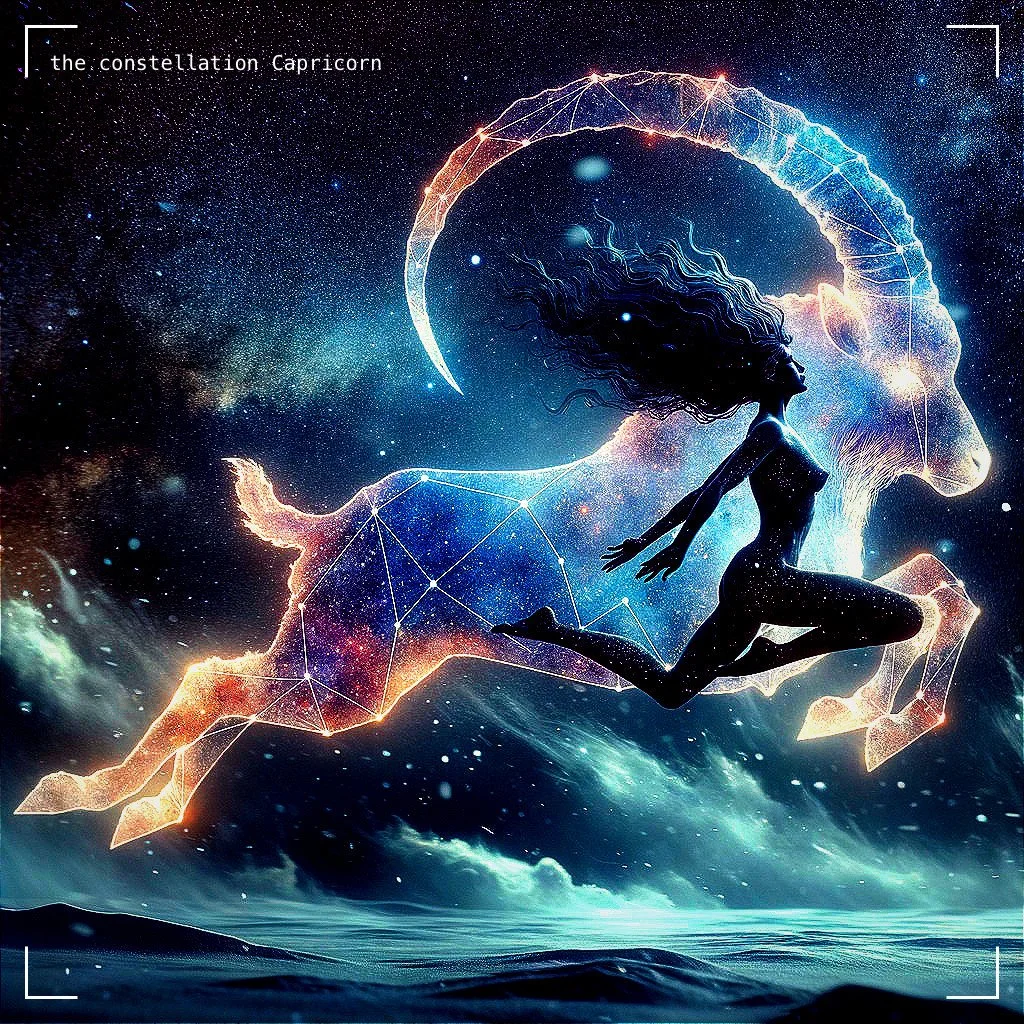




PSYCHICAL MANIFESTATION:
POLARIS APOAPSIS is the peak of detachment and alignment.
PERIAPSIS OF THE EGO is a trap, or intense feeling of being overwhelmed by the material life.
AMALGAM NEBULA is the unified source of all consciousness.
PHYSICAL / SCIENTIFIC PARALLEL:
POLARIS APOAPSIS is the farthest point in an orbit around the fixed center.
PERIAPSIS OF THE EGO is the nearest point in an orbit, the highest orbital velocity.
AMALGAM NEBULA is a cosmic nursery of gas and dust.
ANGKORIAN TRANSCRIPTION ON THE SANGHA OF DETACHMENT
ប៉ូឡារីស អាប៉ូអាបស៊ីស: ការផ្ដាច់ខ្លួន
ប៉ូឡារីស អាប៉ូអាបស៊ីស សំដៅទៅលើចំណុចនៃការផ្ដាច់ខ្លួនអតិបរមា ឬកម្ពស់ខាងវិញ្ញាណខ្ពស់បំផុតដែលបុគ្គលម្នាក់អាចទៅដល់ ខណៈពេលដែលនៅតែត្រូវបានចងភ្ជាប់ទៅនឹងអត្ថិភាពរូបវន្ត។ វាគឺជាពាក្យប្រៀបធៀបដែលរួមបញ្ចូលគ្នានូវគោលគំនិតតារាសាស្ត្រនៃ អាប៉ូអាបស៊ីស (ចំណុចឆ្ងាយបំផុតនៅក្នុងគន្លងមួយ) ជាមួយនឹងភាពស្ថិតស្ថេរជានិមិត្តរូបនៃ ប៉ូឡារីស (ផ្កាយខាងជើង)។
ចំណុចនៃចម្ងាយដ៏ទេវភាព៖ ដូចជាវត្ថុមួយនៅ អាប៉ូអាបស៊ីស របស់វាស្ថិតនៅចម្ងាយឆ្ងាយបំផុតពីរាងកាយដែលវាវិលជុំវិញ អ្នកអនុវត្តនៅ ប៉ូឡារីស អាប៉ូអាបស៊ីស បានផ្លាស់ទីឱ្យឆ្ងាយតាមដែលអាចធ្វើទៅបានពីចំណុចកណ្តាលនៃទំនាញនៃអត្មា អត្មាដ៏អស្ចារ្យ និងបំណងប្រាថ្នាខាងសម្ភារៈ។ វាតំណាងឱ្យស្ថានភាពមួយដែលការទាញរបស់ពិភពលោកស្ថិតនៅចំណុចខ្សោយបំផុត ដែលអនុញ្ញាតឱ្យមានទស្សនៈនៃភាពច្បាស់លាស់ទាំងស្រុង។
ស្ថេរភាពក្នុងការផ្លាស់ប្តូរ៖ ដោយសារ ប៉ូឡារីស គឺជាផ្កាយដែកគោលថេរដែលហាក់ដូចជាផ្លាស់ទី ខ្ញុំបានបង្កើតពាក្យនេះដើម្បីពិពណ៌នាអំពីស្ថានភាពនៃភាពស្ងប់ស្ងាត់ថាមវន្ត។
ភាពផ្ទុយគ្នា៖ ទោះបីជាព្រលឹងនៅឆ្ងាយពីគន្លងខាងវិញ្ញាណរបស់វា (អាប៉ូអាបស៊ីស) ក៏ដោយ វានៅតែស្របគ្នាយ៉ាងល្អឥតខ្ចោះជាមួយនឹងភាគខាងជើងពិតរបស់វា (ប៉ូឡារីស)។
បទពិសោធន៍៖ វាត្រូវបានពិពណ៌នាថាជាអារម្មណ៍នៃការព្យួរនៅក្នុងលំហអាកាស — ឆ្ងាយពីសំឡេងនៃជីវិត ប៉ុន្តែមានទិសដៅត្រឹមត្រូវជាងពេលណាៗទាំងអស់។
ល្បឿនយឺតបំផុតនៃព្រលឹង៖ តាមតារាសាស្ត្រ វត្ថុមួយនៅ អាប៉ូអាបស៊ីស របស់វាធ្វើដំណើរក្នុងល្បឿនយឺតបំផុតរបស់វា ដែលអនុញ្ញាតឱ្យមានភាពស្ងប់ស្ងាត់ខាងក្នុង ជាពេលដែលចលនាដ៏ខ្លាំងក្លានៃចិត្តថយចុះបន្ទាប់ពីទៅដល់ ប៉ូឡារីស អាប៉ូអាបស៊ីស។ នេះក៏បណ្តាលឱ្យមានការឆ្លុះបញ្ចាំងយ៉ាងស៊ីជម្រៅផងដែរ ដែលជាស្ថានភាពដ៏ល្អសម្រាប់បេះដូង អព្ភូតហេតុ ដើម្បីសង្កេតមើល អាម៉ាល់ហ្គាម ណេប៊ុលឡា ដោយគ្មានការបង្ខូចទ្រង់ទ្រាយនៃចលនារហ័ស ឬភាពចលាចលអារម្មណ៍។
ការប្រើប្រាស់បរិបទ៖ មនុស្សភាគច្រើនចំណាយពេលពេញមួយជីវិតរបស់ពួកគេនៅ ជិតណាស់ — ផ្លាស់ទីលឿនពេក និងជិតពេកទៅនឹងតម្រូវការធ្ងន់ៗនៃពិភពរូបវន្ត។ ផ្តោតលើការពង្រីកគន្លងដើម្បីទៅដល់ ប៉ូឡារីស អាប៉ូអាបស៊ីស ជាកន្លែងដែលមនុស្សម្នាក់អាចមើលឃើញសកលលោកដូចដែលវាពិតជាមាន។
© ថាវីរ៉ាក់ អ៊ុកឌី


-
Elias Kifon Bongmba, and Robert Manzinger. Philosophy, Freedom, Language, and Their Others. Bloomsbury Publishing, 27 July 2023.
Hislop, Susanna. Stories in the Stars. Penguin, 3 Nov. 2015.
Kabat-Zinn, Jon, and Thich Nhat Hanh. Full Catastrophe Living. Delta, 22 July 2009.
Laidlaw, James. The Cambridge Handbook for the Anthropology of Ethics. Cambridge University Press, 30 Apr. 2023.
Matei Candea, et al. Detachment Essays on the Limits of Relational Thinking. Manchester Manchester University Press, 2019.
Sagan, Carl, et al. Selected from Cosmos. New York, Literacy Volunteers Of New York City, 1993.
Usenko, I. A., et al. “Polaris, the Nearest Cepheid in the Galaxy: Atmosphere Parameters, Reddening and Chemical Composition.” Monthly Notices of the Royal Astronomical Society, vol. 362, no. 4, 2 Sept. 2005, pp. 1219–1224, https://doi.org/10.1111/j.1365-2966.2005.09353.x. Accessed 19 Feb. 2022.